In San Juan Capistrano, where history settles into the earth like dusted gold, the future will hang, quite literally, on the walls. From April 23 through May 25 the winning works of the SJC250 Student Art Contest will be on public display at the historic Soldiers Barracks in Mission San Jan Capistrano—a month-long invitation to see the past refracted through the eyes of a new generation. In a year marking 250 years of the enduring legacy of Mission San Juan Capistrano alongside American independence, the city has turned to its students not merely to commemorate, but to interpret.
The student art contest was a proposal made to the SJC250 committee by The Alliance for San Juan Art Founder Rich Heimann, whose mission is to place more public and visible art in San Juan Capistrano. Rich heads the committee and is ably assisted by Evan Burgher, Kathy Holman, Jonathan Morgan Jenkins, Gila Jones, and Tina Ann Sciortino.
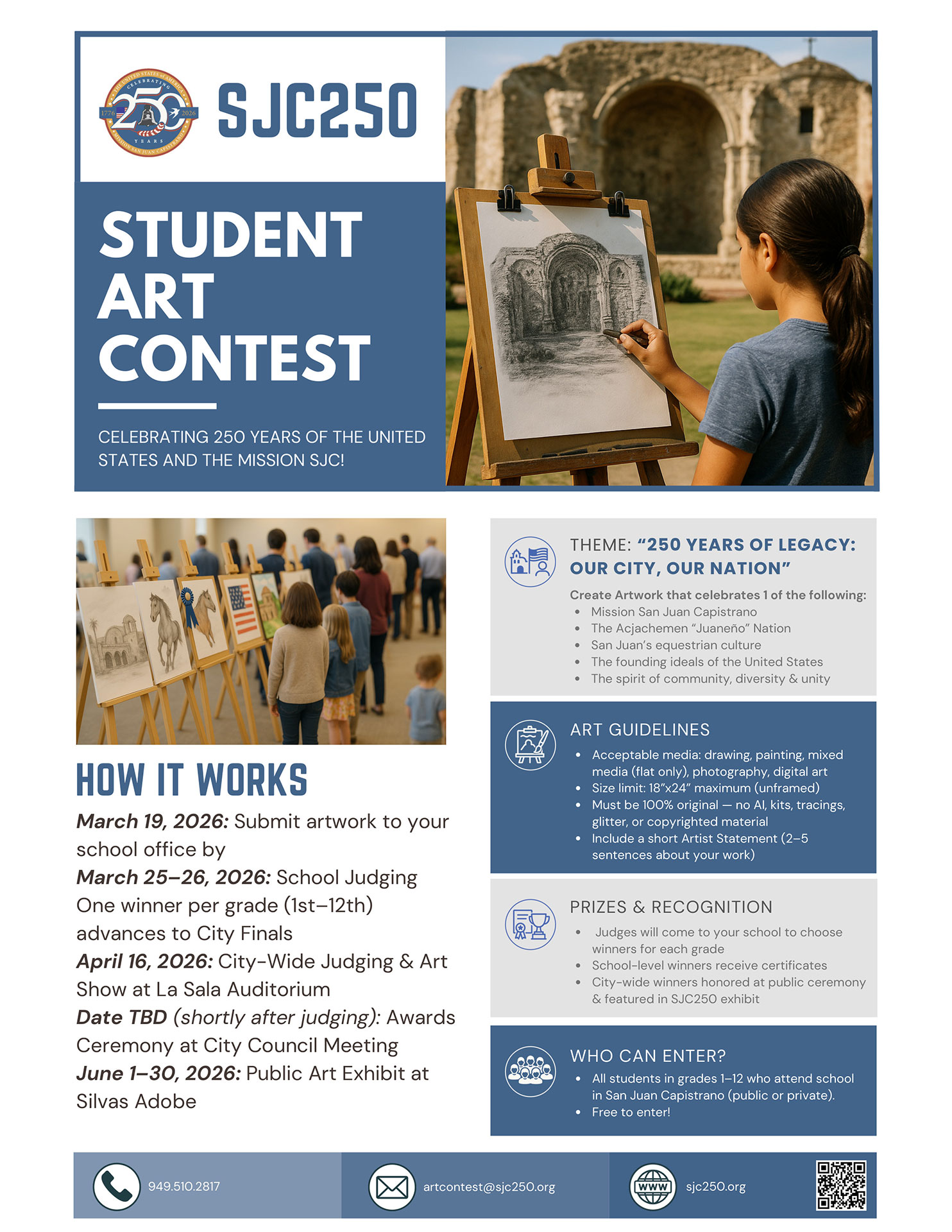
Open to all San Juan Capistrano students in grades 1 through 12, at 15 schools, the contest is both expansive in vision and exacting in execution. Participation was free, but the standards were precise: every work must be wholly original, created without the aid of templates, kits, or AI-generated imagery. Acceptable media range from pencil and charcoal to watercolor, acrylic, photography, and digital illustration—provided the final piece remains flat, unframed, and no larger than 18 by 24 inches. Each submission included a brief artist statement, two to five sentences that offer a window into the student’s intent—why this subject, why this moment, why this mark on the page.
The theme, “250 Years of Legacy: Our City, Our Nation,” invites a wide lens. Students are encouraged to explore the following themes: the architectural poetry of the Mission, the deep-rooted heritage of the Acjachemen “Juaneño” Nation, the enduring romance of equestrian culture, and the broader American narrative—its founding ideals, its complexities, its ongoing evolution. It is, in essence, an exercise in both memory and imagination.
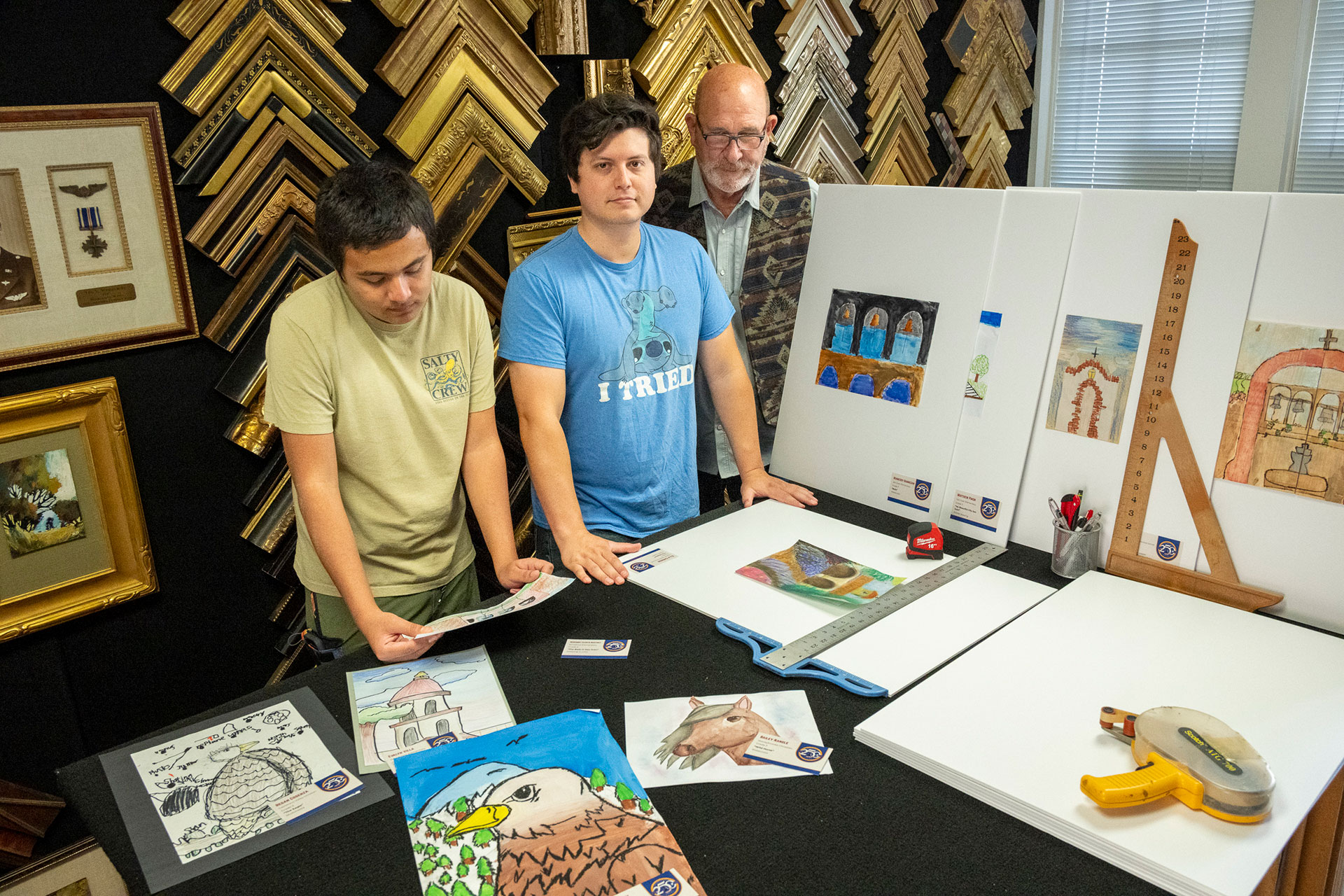
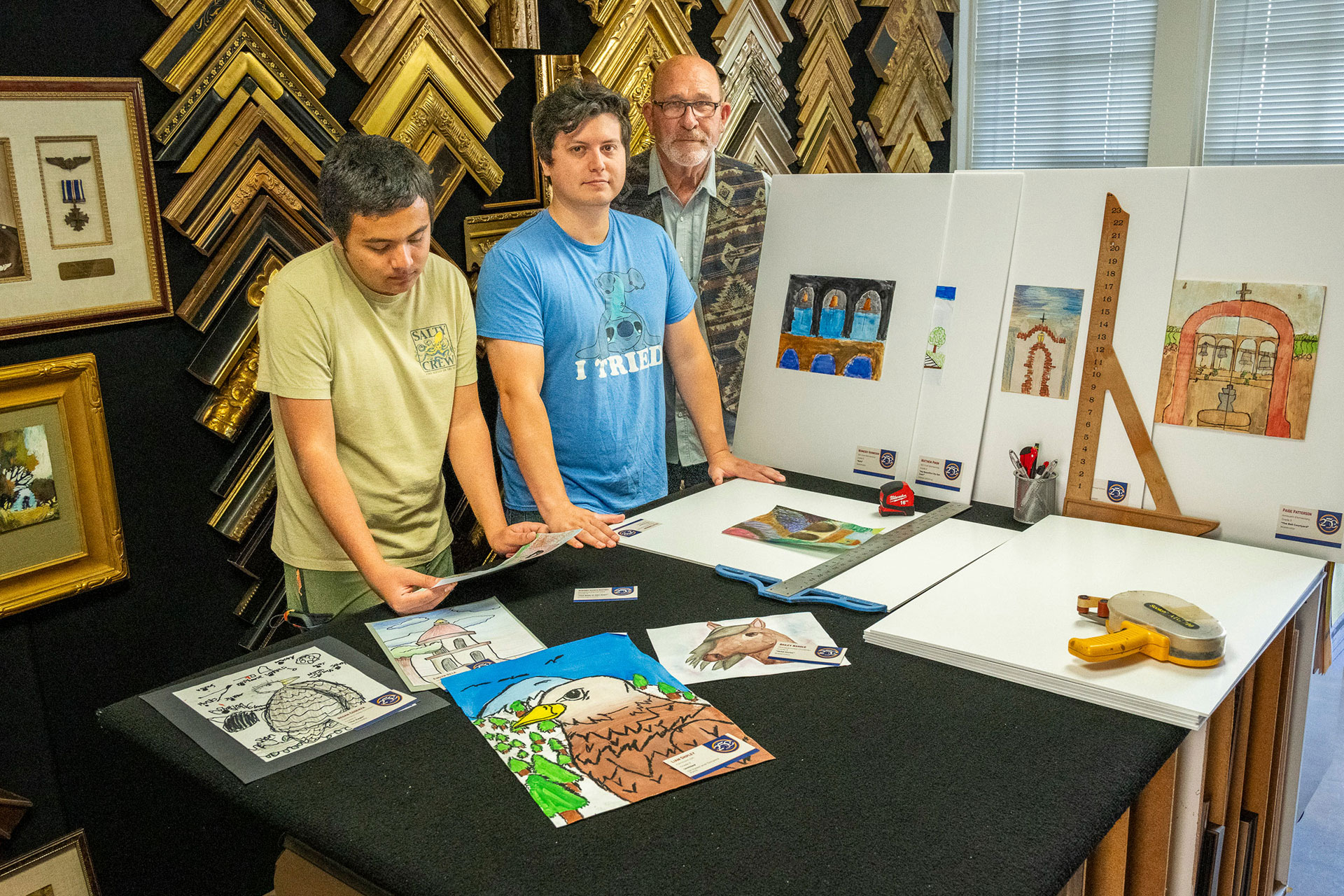
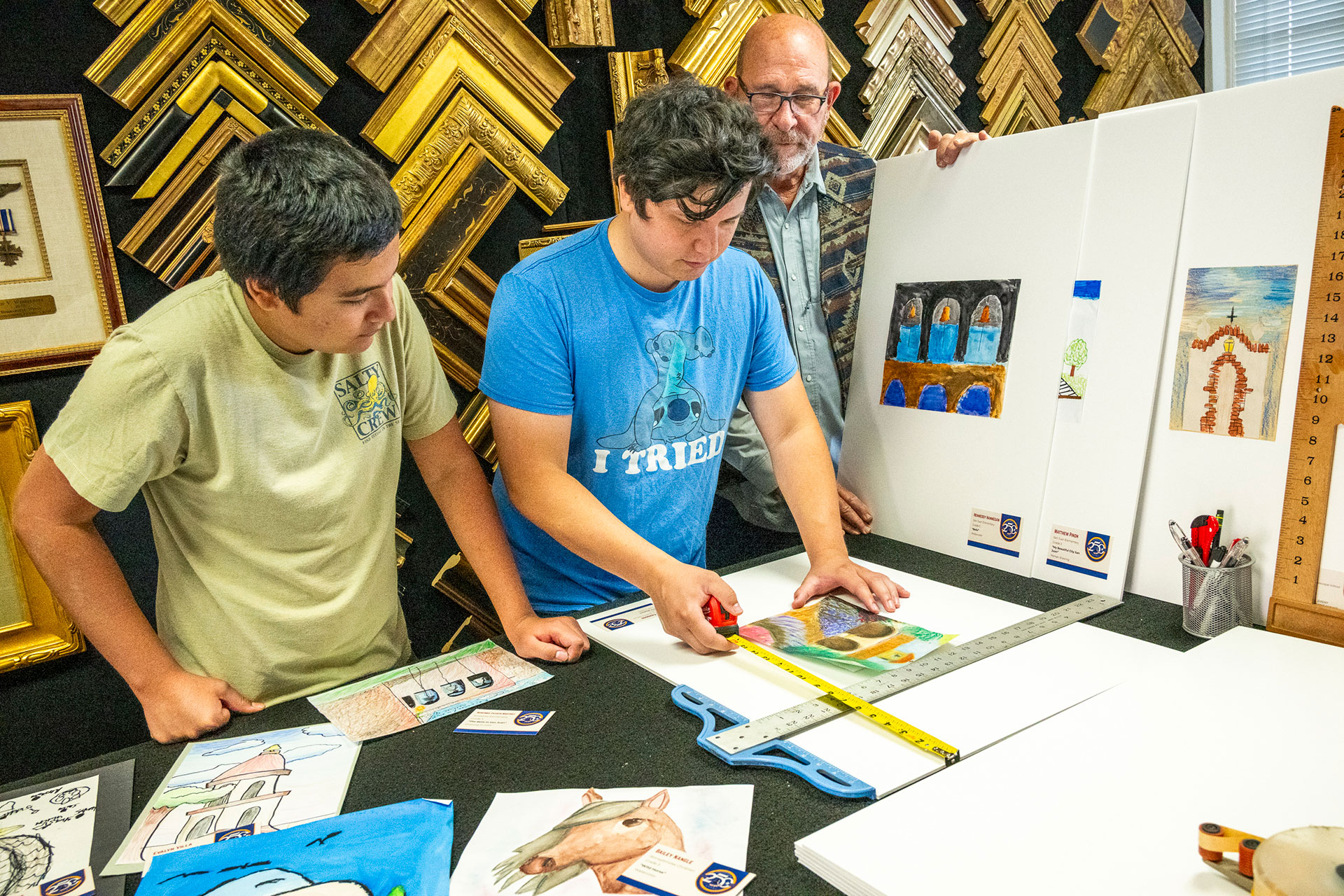
Judging unfolds in two deliberate acts. First, at the school level, where independent panels select first place winners in each grade. Those first-place finishers advance as citywide finalists, their work mounted and prepared by The Plaza Art Gallery for the culminating review at the Soldiers Barracks at the mission San Juan Capistrano in April. There, a distinguished panel— Maricella Moreno, Ginny Kerr, Dale Rosenfeldt, Joe Lewis, Mozelle Sukut, Craig Dibley, Randi Peshkin, and Mission representatives Vicky Carabini—will evaluate each piece in a blind process, guided by four criteria: thematic accuracy, creativity, artistic expression, and presentation.
There is something quietly radical in all of this. In a culture increasingly mediated by speed and replication, the contest insists on patience, authorship, and voice. And come May, within the cool, timeworn walls of the Mission, those voices—earnest, searching, unrepeatable—will speak.