As the historic Mission San Juan Capistrano commemorates its 250th year—a rare quarter-millennium milestone in the American West—the celebration has not only kindled nostalgia but sparked necessary dialogue. On January 11, the past came unmoored from myth as Dr. Steven Hackel, historian of early California and Spanish colonialism, took the stage before a packed audience at the San Juan Capistrano Community Center. His address didn’t just honor the occasion—it electrified it.
Hackel, a professor at UC Riverside and one of the nation’s foremost scholars of the Spanish Borderlands, delivered what many are already calling the most consequential talk of the anniversary year—a keynote that upended comfortable narratives and asked attendees to reimagine the very foundation on which the mission was built.
“The Mission period in California wasn’t a prelude to statehood—it was a world unto itself,” Hackel tells us of his talk’s highlights. “And it was far more complex, more diverse, and more revolutionary than we’ve allowed ourselves to remember.” Hackel offers a compelling reframe of California’s place in the broader revolutionary era—urging the community to rethink whose stories we elevate, and whose have been sidelined.
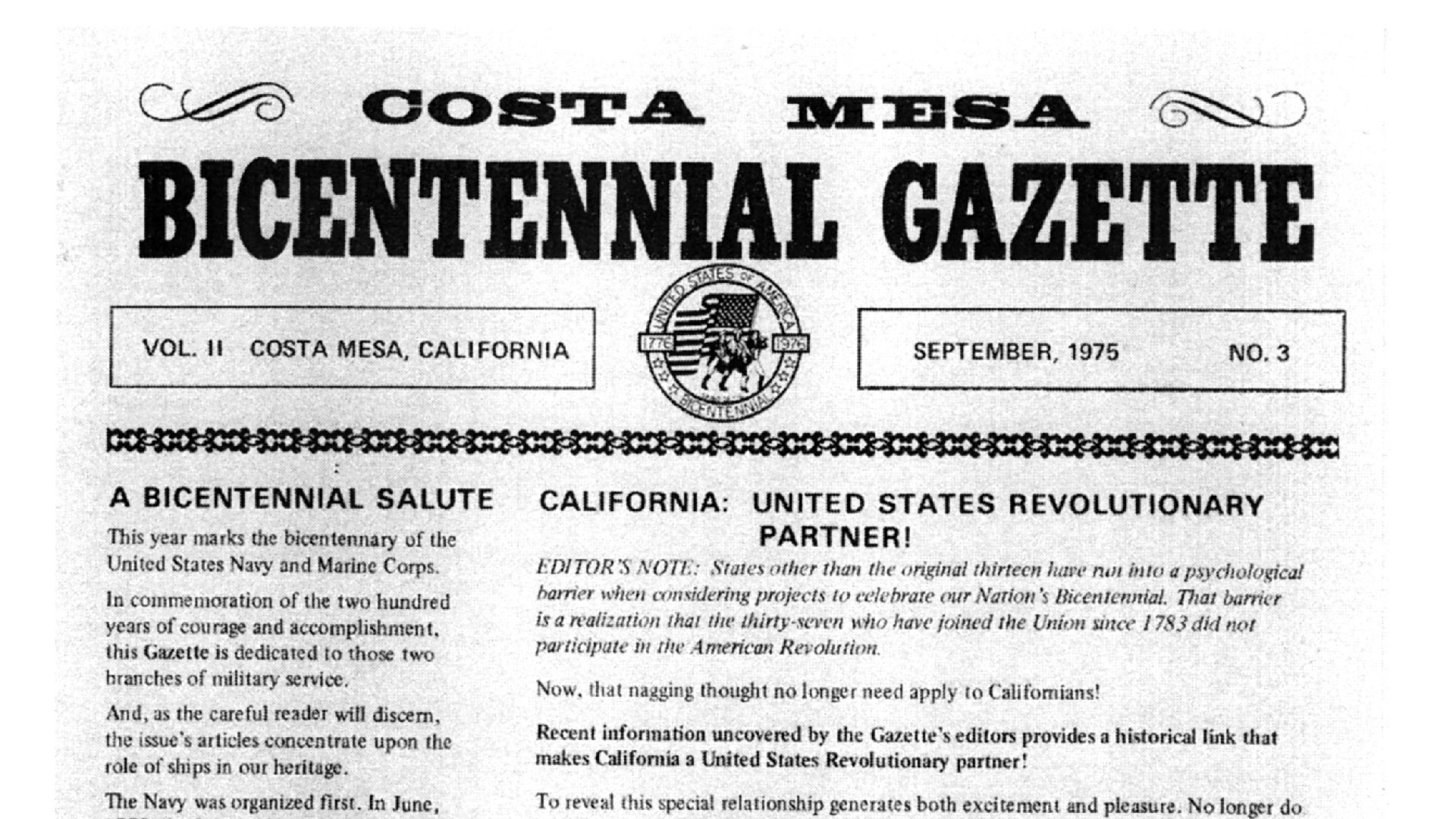
“Most 19th-century historians wrote California out of the American story,” Hackel explained during his keynote. “They treated it like a place without history until the Gold Rush.”
But Hackel’s scholarship insists otherwise.
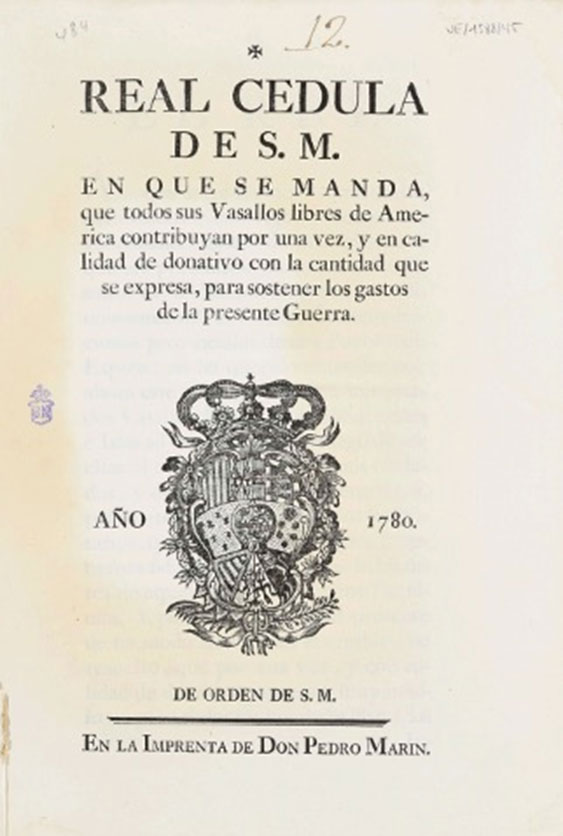
“California was very much a part of the global Age of Revolutions,” he said, noting how Spanish imperial strategy shifted dramatically during the American Revolution. “The Spanish Empire didn’t officially support the colonies, but they funneled money, manpower, and food into the war effort against England. That included collecting donations—donativos—from settlers right here in San Juan Capistrano.”
Born and raised in California, Hackel has devoted his career to decoding the mosaic of cultures and collisions that shaped the region long before the Gold Rush or the annexation of 1850. At the center of his remarks was a searing historical insight: the settlers of early Alta California—the Pobladores—were not a monolithic group of Spanish elites, but a multiethnic and multiracial population made up of mestizos, mulattos, Indigenous peoples, and those of African descent.
“We’ve inherited a sanitized origin story,” Hackel argues, “one that elevates the Spanish façade while suppressing the lived diversity of the mission communities. The 250th anniversary is precisely the time to explore that.”
In his decades of research—including his work on the Early California Cultural Atlas and The Pobladores Database, which tracks some 15,000 pre-1850 immigrants—Hackel has found that early Californians often navigated layered, conflicting identities. “They fashioned themselves as more ‘pure-blooded’ than Native peoples, even when they were only generations removed from Indigenous ancestry,” he explained.
That reshaped identity served legal and social purposes under Spanish colonial rule, where caste systems impacted land rights and legal standing. “The mission system was not just religious. It was political, economic, and deeply racialized.”
Hackel also gave voice to the often-overlooked resistance of Indigenous Californians. “By the 1820s and ’30s, Native people in missions like San Juan Capistrano were demanding freedom—writing petitions, invoking ideas of liberty and autonomy. They weren’t echoing Jefferson, but they were part of the revolutionary current sweeping the hemisphere.”
Calling for deeper investment in public history, Hackel urged institutions to move beyond the “manicured nostalgia” of mission gardens and bell towers. “We need to fill in the blanks—the collapsed ceilings, the missing records, the stories of those who didn’t write the official histories.”
Why does it matter now? “Because this is a pivotal moment,” Hackel said. “This 250th anniversary gives us a chance—not just to celebrate—but to reckon. To ask: What do we remember, and why?”
With his deep expertise and unflinching clarity, Dr. Hackel invites San Juan Capistrano—and California at large—to tell a more honest story. One that sees revolution not just in Boston tea or Philadelphia parchment, but in the petitions of Native Californians and the multicultural realities of the mission frontier. That larger context—the hemispheric sweep of revolution from Buenos Aires to Boston—provides a framework for reframing California’s colonial legacy. In a year where the public face of Mission San Juan Capistrano will shine in tours, pageantry, and celebration, Hackel’s address stood apart as an intellectual high point—a re-centering of the past on firmer, fuller ground.
“If we continue to celebrate the missions without acknowledging the coercion, the conversions, and the contested identities they produced,” Hackel said, “we’re not preserving history. We’re embalming a myth.”
The 250th anniversary may be rooted in stone and adobe, but Dr. Hackel reminds the city that memory is living—and history, if done honestly, never settles.